How can a college student living in a dorm stay healthy without access to a full kitchen?
With Rechelle Bischoff’s advice, Falcons can cook up nutritious meals in their dorms with versatile ingredients that can be used for multiple recipes.
Rechelle Bischoff is BGSU Dining’s dietitian and has been aiding students on their nutrition paths since 2023. Below are some recipes and tips from Bischoff for students to try. Some of them require a refrigerator to store leftovers in, but students can always just prepare one serving and finish it.
The first easy recipe is for a wrap. Wraps can be made with many different ingredients and can easily be made vegetarian or with meat. This particular recipe is for a turkey and apricot wrap. The steps are simple.
In a small bowl, mix one-fourths cup of cream cheese and 1 1/2 tablespoons of apricot preserves. Then, spread two tablespoons of that mixture over a tortilla. Add turkey slices or chunks and arugula, then roll them into wraps.
Ramen is a staple of the college student experience and the next recipe adds a nutritious twist.
Microwave a pack of ramen noodles for 3 1/2 minutes, then add one teaspoon of vegetable oil, one teaspoon of soy sauce, one-fourths teaspoon of salt, one-fourths cup of peas, corn and carrot mix and one teaspoon of lemon juice. To get some more protein, add in chunks of pre-cooked chicken or other meat. Once the ingredients are added, microwave again for one minute.
One more simple but nutritious meal is chickpea avocado salad. This recipe does not require any actual cooking, just adding together ingredients.
In a bowl, mix 15 ounces of chickpeas, two chopped avocados, one-thirds cup of chopped cilantro, two tablespoons of green onion, one-thirds cup of feta cheese and juice one lime. Then it’s ready to eat.
In these recipes, a lot of the ingredients can be substituted for something else. For those who cannot eat dairy, either forgo the cheese or add something else. Or, vegetarians may always substitute any meat for a vegan alternative.
According to Bischoff, chicken, rice, pasta and vegetables are very versatile ingredients and can be used for many different recipes.
“I tend to make chicken in the crockpot, shred it and use it for wraps, rice bowls, salads, etc. Rice can be used for many different dishes like stir fries, rice casseroles and bowls. Pasta can be served hot or cold in a salad,” Bischoff said.
For many college students, budgeting is a discipline and having these ingredients in the kitchen can help last for many meals and lead to less trips to the grocery store. Bischoff also noted some meals that can be easily stored for long periods of time. They include soups, burritos, sandwiches, muffins and egg bites. These foods can be frozen for days and reheated.
For those that do not have access to a fridge, peanut butter and jelly sandwiches are an option. Also, single serve cans of chicken or tuna can be made into sandwiches or salads. Fruits and vegetables are also ingredients that do not need to be stored in a fridge. Any single serve meal is a good idea for those with no fridge access.
Bischoff stated that the Falcon Food Pantry is a great resource on campus for dorm-friendly meals. They carry a lot of ingredients that can be used to make nutritious and flavorful meals, and are open to every student.
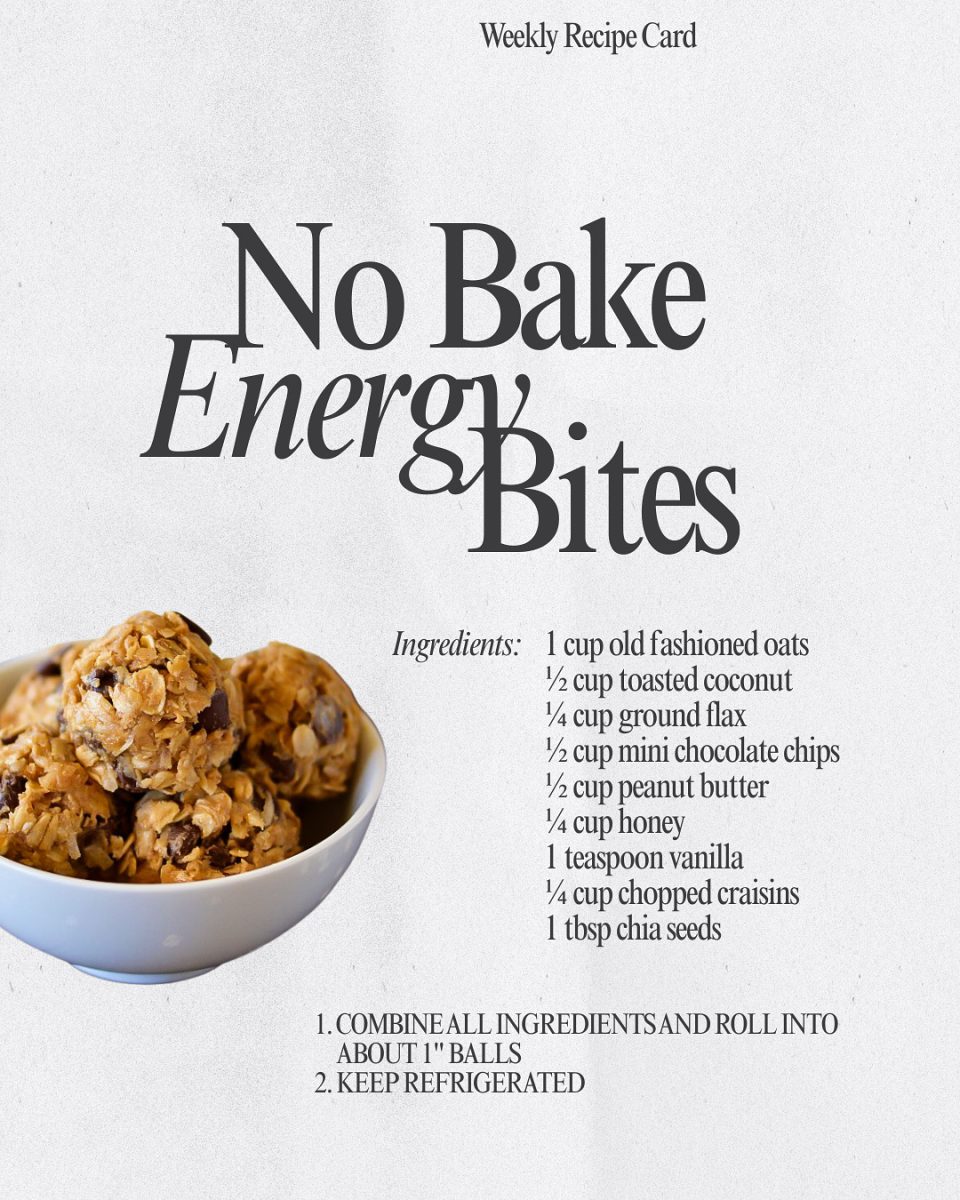
As the end of semester exams are approaching, it is important as ever to maintain health to perform well. For more recipes tailored to the college student, Falcons may check out @falconseatwell on Instagram for weekly dorm-friendly meals.