
In Ohio, high school student-athletes are now able to profit from their name, image and likeness (NIL), after the Ohio High School Athletic Association (OHSAA) approved the policy change in late 2025. While this change will open new financial opportunities for students, some professionals in the sport management industry are wary that the shift could significantly reshape recruiting practices, widen disparities between schools and add unprecedented pressure on teenage athletes while they navigate both academics and athletics.
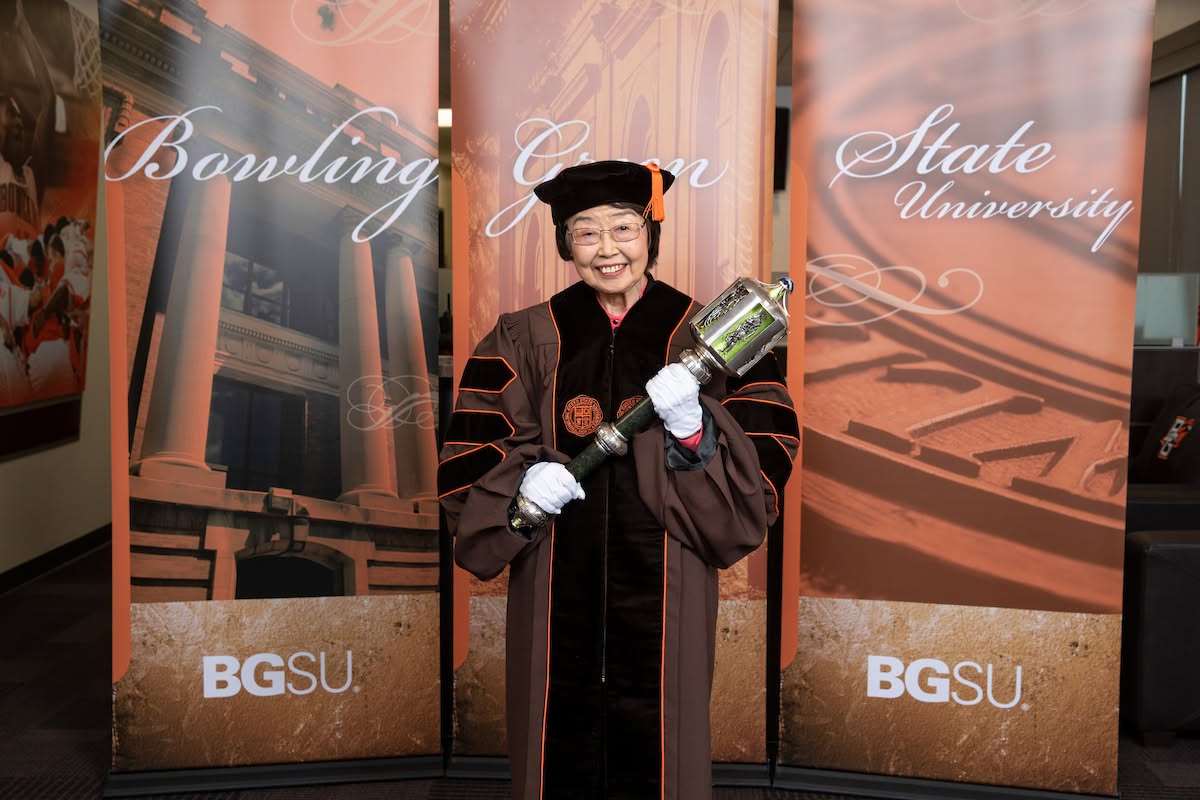
Amanda Paule, a professor in Bowling Green State University’s sport management program, talked about how the arrival of NIL at the high school level is expected to mirror some of the changes that we’re already seeing in college. However, now it is accelerating earlier in these athletes’ careers.
“It’s going to be very similar to college recruiting,” Paule said. “It’s going to speed everything up. Especially for the high-level prospects in football and basketball, there will be deals made with high school athletes that may also become tied back to college programs or sponsors.”
Although there are rules that prohibit NIL “pay-to-play” deals that would require athletes to commit to specific colleges, Paule believes that some connections made between businesses, sponsors and colleges, could blur those boundaries.
Recruiting and Transfers
Paule also expects NIL to not only impact where student athletes go to college, but also where they choose to go to high school.
She explained that before the change, some students have already transferred schools for specialized academic or athletic programs, and now, these NIL opportunities could intensify this trend. Athletes seeking exposure and sponsorship deals could also be incentivized to relocate schools within major markets.
“If you’re in a bigger market, you have an advantage,” Paule said. “Cities like Cleveland, Columbus and Cincinnati offer significantly more opportunities than smaller or rural school districts.”
She also noted that many Ohio communities lack the businesses and industry connections necessary to support NIL sponsorships.
“A lot of rural schools just don’t have the resources that urban school systems do,” Paule said. “That gap is going to show.”
Competitive Imbalance
Paule believes NIL may widen the already uneven competition among schools.
“The divide will grow between schools that already perform very well, the large programs and private schools, vs the smaller public schools,” she said.
She even suggested that the private schools and larger districts may also have advantages with deals because of families owning local businesses and their ability to sponsor athletes as a way to draw talent.
“You might see athletes leave their traditional high school because there’s more money somewhere else,” Paule said. “And at that age, it’s hard to say no to money and still see the bigger picture.”
Mental Health and Exploitation Concerns
Opposite of the business side, Paule mentioned that one of her biggest fears is the potential toll NIL could take on student mental health.
“I think we’re going to see an increase in mental health stress,” she said.
Paule believes that with NIL and sponsorships, it could cause some athletes to feel pressure to financially support their families or peers. This could create emotional burdens, which are typically unexpected for teenagers, along with handling time management needed for student athletes.
“Students already balance school, practices and weight-room commitments,” she said. “Now you add brand obligations, content creation and contract management on top of that.”
She emphasized that contractual agreements are complex even for adults.
“Understanding contracts and legal responsibilities is difficult, and most adults struggle with it,” she said. “Now we have 15 to 18-year-olds navigating those same challenges.”
School Preparedness
Paule does not believe most high schools are currently equipped to support youth NIL participation.
She added that reduced funding for public education has limited schools’ ability to hire specialists who could support students financially or legally.
“Schools don’t have financial planners or legal advisors available,” Paule said. “Teachers or business educators might be the only lifeline in some districts, but that’s not enough. A lot of schools are going to have to catch up very quickly.”
She mentions that this is especially important for the schools that are regularly producing Division I athletes.
Academics vs. Opportunity
Paule believes NIL’s educational benefits could coexist with academic risks.
“NIL can teach financial literacy, branding, responsibility and entrepreneurship, all of which are helpful life skills,” she says.
While these skills can be beneficial, the time commitment that NIL requires could hinder students’ academic focus, social development and their much-needed rest.
“There are only so many hours in the day,” Paule said. “If time goes toward content creation or sponsorship obligations, something else gives, whether that’s academics, social experiences or sleep.”
She also cautioned that resentment among teammates could arise.
“Not everyone is going to get deals,” she said. “Jealousy happens, and money can make things messy. Coaches will have to manage those dynamics carefully.”
Parents’ Role
Paule also warns families to research sponsorship partners carefully.
“Not everyone has your child’s best interests in mind,” Paule said. “There are people out there who could take advantage.”
She also expressed concern for families under financial strain.
“For families without much money, any offer can look life-changing,” Paule said. “But they still have to recognize the strings attached.”
All in all, she strongly recommends contracts to be reviewed by professionals and have legal oversight if possible.
Benefits and Risks
Despite all of the concerns, Paule still sees NIL as a powerful opportunity for athletes, if done responsibly.
“Athletes can learn branding and entrepreneurship early,” she said. “They can run camps, start businesses, sell merchandise, this isn’t just about social media posts.”
However, exploitation remains her greatest worry.
“The biggest unknown is whether student-athletes will be taken advantage of,” she said. “Trusting people without safeguards is dangerous.”
She also raised concerns about exhaustion and burnout.
“High school athletes already don’t get enough sleep,” Paule said. “Add late nights editing videos and researching partnerships, it’s a recipe for burnout.”
Eligibility Rules
Paule emphasized that NIL regulations still come with strict limitations, particularly involving minors.
“Parents must sign contracts, and everything has to fall within OHSAA guidelines,” she said.
Participating in partnerships that are related to gambling, alcohol or cannabis are all prohibited. Any sort of violations to these rules could jeopardize a student’s eligibility at both the high school and collegiate levels.
“We need standardized safeguards across the state with clear enforcement,” Paule said. “One bad deal can cost an athlete their future.”
A New Era
As Ohio enters its NIL era at the high school level, Paule believes the outcome will depend heavily on education, oversight and community support.
“There are great opportunities here,” she said. “But without safeguards and guidance, we could see serious consequences.”
With financial incentives now intersecting with adolescent development, Ohio schools face the challenge of balancing opportunity with athlete protection, a process still unfolding.