
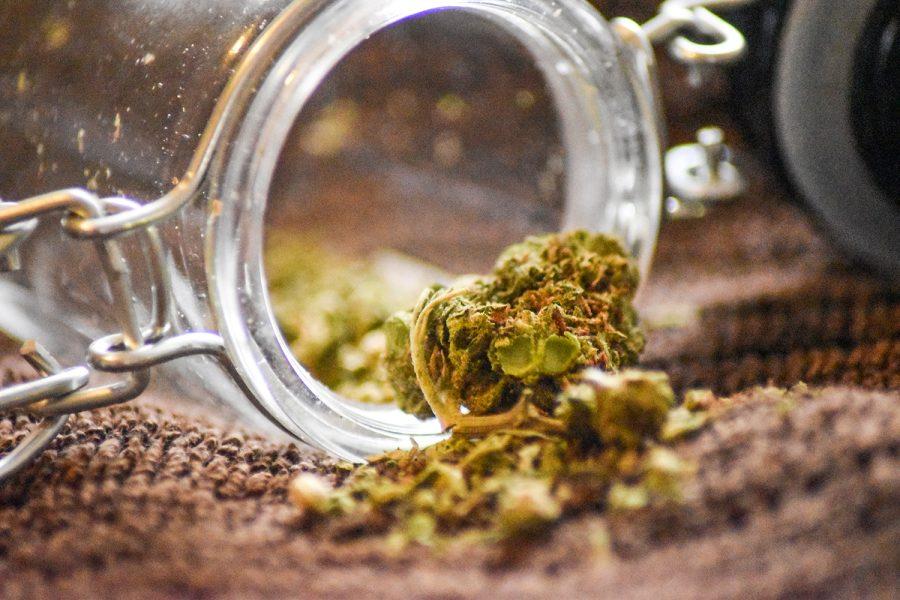
Two years after legalization, adult-use marijuana in Ohio continues to grow, and updates to the law are currently being made.
Ohioans on Nov. 7, 2023, passed Issue 2, allowing people 21 and up to purchase, manufacture and sell marijuana in Ohio. In the U.S., Ohio is the 24th state to legalize marijuana.
According to WKYC Studios, nearly 4 million people voted on this issue, with 57% voting yes and 43% voting no. The issue allows people over 21 to possess or buy 2.5 ounces (15 grams).
Issue 2 highlights a 10% tax increase on the purchase of marijuana, disturbing to local governments that have dispensaries, education, addiction treatment programs and more, according to the Farm and Dairy. The Division of Cannabis Control in the Ohio Department can control licensing and regulate marijuana businesses and owners.
Local governments in Ohio can prohibit dispensaries in their communities, but if an already existing medical dispensary sells marijuana, local governments can not stop them. A person can grow six cannabis plants and a house can only grow 12 plants in total.
As of Nov. 5, there are currently 180 dispensaries in Ohio with a dual-use certificate of operation that allows them to sell both medical and non-medical cannabis, according to the Division of Cannabis Control.
Some cities in Ohio have prohibited dispensaries in their communities, including Perrysburg, according to the Toledo City Paper.
In Bowling Green, there are currently three dispensaries, including Happy Harvest Dispensary BG on East Wooster, Zen Leaf Dispensary on North Main and Nectar on South Main.
With the legalization of medical and regulation marijuana in Ohio, the university stated that as a public institution, they comply with the national Drug-Free Schools Communities Act and the Drug-Free Workplace Act, which requires a drug-free campus community, according to BGSU’s website.
It also says that the possession, use or storage of controlled substances, including medical and recreational marijuana, by students, faculty, staff and visitors is prohibited on BGSU’s campus, at university-sponsored events and programs, including travel and while engaging in university business or work.
After Issue 2 passed two years ago, lawmakers decided that some things needed to change within Ohio’s marijuana laws.
Ohio Capital Journal says that Ohio’s Senate Bill 56 is currently in its 18th version and passed by the Ohio House with a vote of 87-8 on October 22 and has headed back to the Senate for concurrence.
According to the Ohio House of Representatives, Senate Bill 56 preserves the legal adult-use marijuana provisions that were approved by voters in 2023, but “adds in needed protections for Ohio’s children.”
Senate Bill 56 includes multiple provisions to protect children and promote public safety.
Some of these provisions, according to the Ohio House, include prohibiting public smoking and intoxication, prohibiting hemp and marijuana products from using packaging or advertising that is attractive to children or which mimics other legal products that are consumed by children, requiring ads to be at least 500 feet from schools and churches and more.
Along with promoting public safety, the bill also promotes selling safe, Ohio-grown hemp, clarifies the law relating to adult-use of marijuana, as well as how it relates to hemp-infused beverages or drinkable cannabinoid products.
The Ohio Senate passed proposed changes to Issue 2 in December of 2023. Within these provisions, they want to increase the sales tax from 10% to 15%, alter the dispute of the tax sales and change the maximum Tetrahydrocannabinol (THC) allowed from 90% to 50% according to the KMK Law.
Along with those changes, there are also some regulations for hemp products.
For hemp products, the dispensaries would need to meet the requirements for testing, packaging and advertising. There would be a 10% tax increase on those products. The bill only allows 400 active hemp dispensaries in Ohio, according to the Ohio Capital Journal.
As of this month, Senate Bill 56 has not been enacted into law and a version of the bill has to be approved by the Senate, the Ohio House and then signed by Ohio Governor Mike DeWine.