At Bowling Green’s bi-monthly city council meeting, the topics of water supply and economic development were called to attention on Monday, Nov. 17.
Jim Evans, Bowling Green resident and professional hydrologist, a scientist who studies the quality of water, started the meeting by stating that Northwest Ohio and the Maumee River valley have been victims of a drought in 2025.
“This summer, we had a seven-inch rainfall deficit in Northwestern Ohio,” said Evans. “We had normal precipitation through early June, and it was accompanied by higher temperatures, 3% stronger wind speeds and more concentrated rainfall. This resulted in severe loss of soil moisture and a fall in the groundwater table…heavy rains in northwest Ohio are now 24% more frequent… However, these rainstorms do not restore soil moisture or groundwater, because most of the water is lost as runoff.”
Evans had also said that the recent drought can make the Bowling Green community possibly more susceptible to water supply issues in the future, especially with the rise of data centers in the area.
“It should be clear that the vulnerability of Bowling Green’s water supply is serious, and it is increasing each year,” said Evans. “Delay in addressing this issue will have serious repercussions for this community. Finally, I’d like to comment on Bowling Green’s recent water commitments to a data center of 1 million gallons per day, and to Abbott Labs of 600,000 gallons per day. I do understand the need for the city to pursue economic development projects, but I’d like to caution that these kinds of commitments should come with restrictions attached.”
Also during the meeting, Bowling Green’s Economic Development Director, Kati Thompson, said that this past year has been difficult for the city’s economic development.
“Any year with a political transition generally slows things down a bit. It doesn’t matter what the transition is; that year typically slows down economic development initiatives, and we have seen that. So, although we have seen an uptick in the number of leads that are crossing my desk, we’ve seen a slowdown in the decision-making,” said Thompson.
Thompson said that the city will keep on pushing to improve the city’s economic development situation.
“It’s just oftentimes these [development] projects are very complicated,” said Thompson. “There are a lot of stakeholders, and they all have competing interests, so sometimes it just takes a lot of swings to get a win for one of those types of projects. Although I’m sharing that it’s kind of been difficult, we’re not discouraged. We’re going to keep on swinging, and we’re going to keep trying to put these projects together. And we look forward to that day when one of them just moves forward, so we will be very excited for that.”
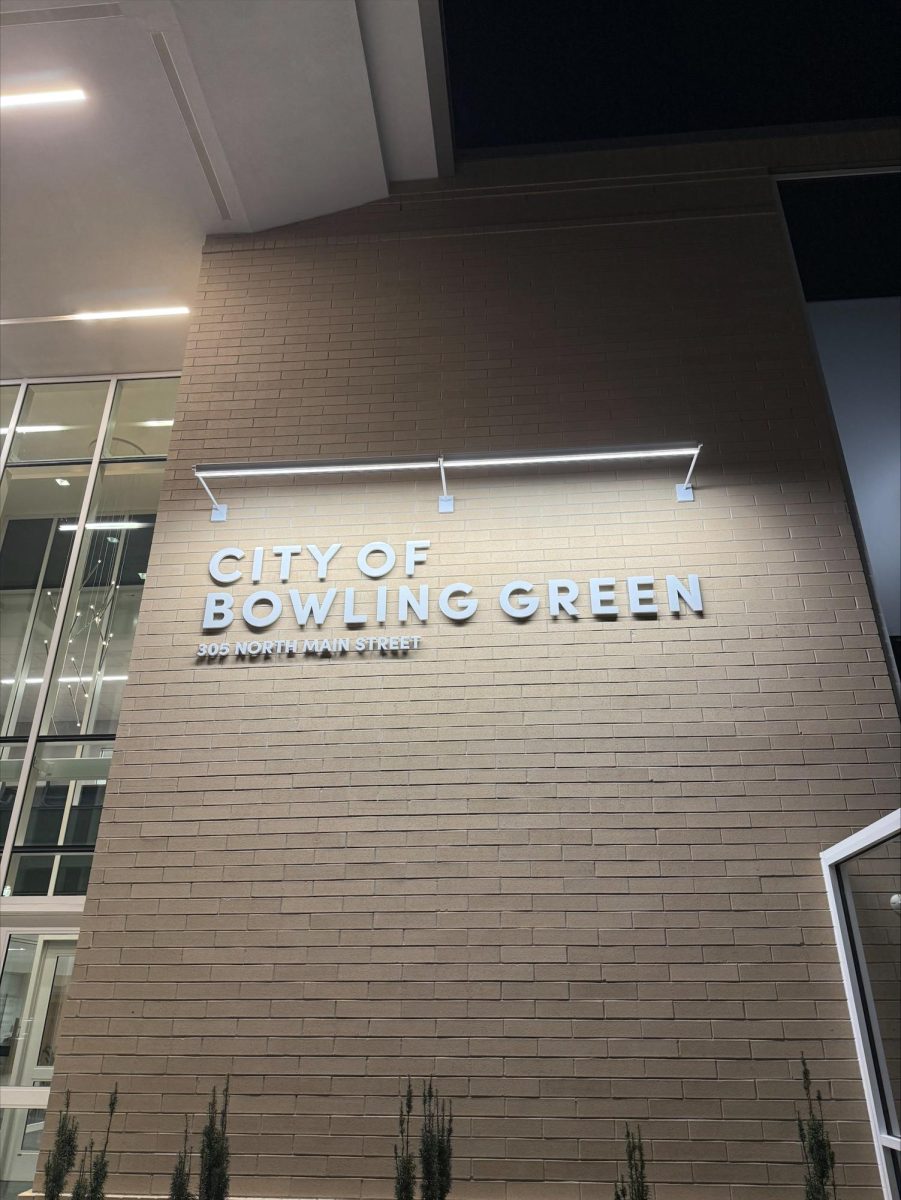
Bowling Green City Council meets every first and third Monday of each month at 7 p.m. in the city council chambers at 305 N. Main St.