As we enter a new year, students can turn to mental health resources on campus to help combat the stress that follows the holiday season.
According to the Associated Clinic of Psychology, high expectations that come with a new year can lead to stress and a feeling of loneliness or failure.
It also said that the start of a new year creates different challenges, including societal pressures to reflect on the past year and set the tone for the next one.
Sharon Simon, president of the National Alliance on Mental Health (NAMI) chapter on campus, said students could have experienced the “holiday blues” these past few months, which comes from unrealistic expectations or memories of past holidays.
Simon said some of the common symptoms people might experience this time of year include fatigue, tension, frustration, loneliness or isolation, sadness and a sense of loss.
“It does not have the lengthy onset and duration of an actual mental health disorder, but if you are not on top of it, if you don’t find ways to treat it, it can become a mental health disorder over time,” Simon said.
There are different ways to cope with stress that might come at the beginning of the year, Simon said.
“Getting enough sleep, sticking to a routine, not isolating, exercise and relaxation, like listening to music, as well as setting reasonable holiday expectations like a budget,” she said.
The Associated Clinic of Psychology also states that there are some tips that can help those struggling with anxiety following New Year’s. Some of the tips include reflecting positively on the past year and concentrating on personal achievements rather than other people’s. Also, make sure to make time for social gatherings or getting together with friends and family to avoid loneliness or isolation.
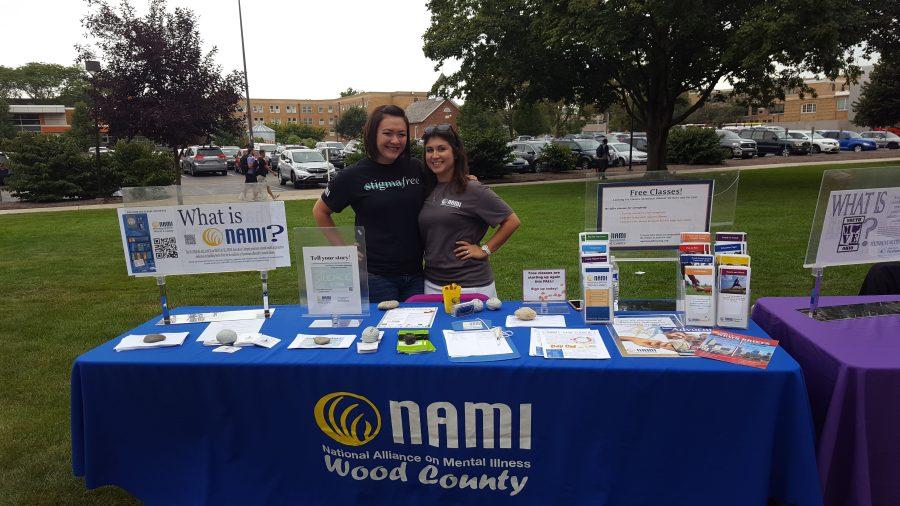
For students looking to improve their mental well-being following the holiday season, NAMI on campus hosts different events and programming throughout the year to raise mental health awareness and educate the community.
“We’ve done self-care, we’ve talked about what kind of providers are out there, where they’re located, what kind of services you can get through them and how to advocate for yourself when you’re in those places,” Simon said.
Simon said in their general meetings, they also talk about the stigma that surrounds mental health and receiving the help students might need and direct them to different on and off-campus resources, such as the Counseling Center, which is located in East Hall.
The Counseling Center has drop in hours available for new and returning students from 9 a.m. to noon and 1 p.m. to 4 p.m. Monday through Friday.
She also said they also host support groups during the semester that are completely led by students.
“Something that I really love about NAMI is the people who run the support groups have lived experience,” Simon said.
NAMI on campus collaborates with the NAMI national, NAMI Ohio, NAMI Wood County, as well as other mental health organizations and resources.
Simon said their meetings are typically held bi-weekly, and they will be determining a new meeting time for the spring semester.
For more information about joining, visit @namibgsu on Instagram or contact NAMI at [email protected].
https://bgsu.presence.io/organization/national-alliance-on-mental-illness-on-campus-bgsu