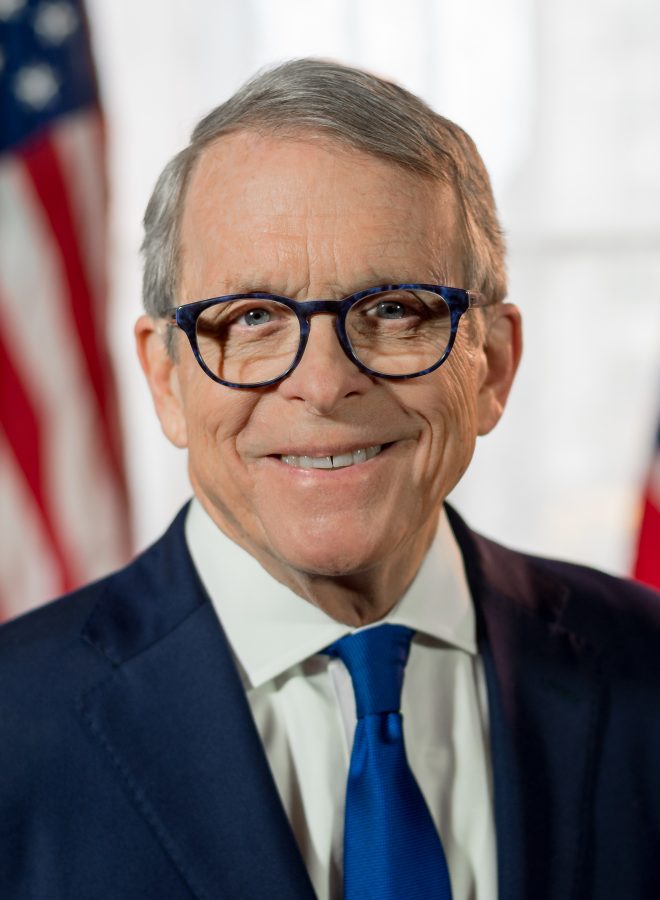
In the wake of a Major League Baseball gambling probe involving two Cleveland Guardians pitchers, Ohio Governor Mike DeWine called on state regulators to ban all player-specific proposition bets, saying the risks now “far outweigh any perceived benefits.”
According to Fox News , Guardians pitchers Luis Ortiz and Emmanuel Clase have been placed on non‑disciplinary paid leave as MLB investigates possible wagers placed on in-game player performance. In response, Governor DeWine urged the Ohio Casino Control Commission to eliminate prop betting from the state’s legal wagering offerings.
He emphasized the severity of the situation, saying “the evidence that prop betting is harming athletics in Ohio is reaching critical mass,” and calling for support from major pro sports leagues including MLB, NFL, NBA, NHL, WNBA, and MLS to support the proposed ban reported by ABC6 On Your Side.
Ohio prohibited NCAA player prop bets in early 2024. That policy, implemented at the NCAA’s request and backed by DeWine, aimed to curb harassment and threats targeting college athletes. The move followed an escalation of cases involving University of Dayton players according to Cleveland.com and Ohio gaming regulators. These earlier rules prohibited individual betting on college athletes but left professional player props untouched.
DeWine now wants that approach extended to include professional sports wagering, targeting what he described as “micro prop bets” highly granular wagers tied to specific, player‑controlled game events reported by the Fox News.
A lawmaker interviewed by Cleveland.com vowed to defend prop betting, arguing that blanket bans infringe on consumer choice and weaken the regulated betting market. He disputed the governor’s position, cautioning the proposed measures could drive activity underground to unregulated sites, undermining both integrity and tax revenues.
The Ohio Casino Control Commission (OCCC) originally banned NCAA prop bets in February 2024, following concerns raised by the NCAA, which cited growing instances of athlete harassment tied to player-prop wagers. The NCAA’s letter emphasized risks to student-athlete mental health, threats, and increased chance of spot-fixing. The ban was officially enforced with industry input; gambling operators had until March 1 of this year to comply according to reports by Cleveland.com.
Operators raised concerns at the time—predicting bettors would shift to offshore markets and banning props would hamper internal tools to detect harassment. But regulators noted such bets accounted for only about 1.35% of total wagers (roughly $105 million in 2023) and insisted the move would reduce targeting of athletes without significantly damaging tax revenue.
If DeWine’s proposal advances, Ohio would become one of the first states to ban prop betting across both collegiate and professional sports. Lawmakers and stakeholders are closely watching whether this push signals a broader national shift in sports gambling regulation according to Cleveland.com.