
On Sept. 25, 2025, the TikTok platform changed hands from Chinese ByteDance to U.S. Oracle based on a deal drafted by the Trump administration.
In April 2024, former president Joe Biden banned TikTok nationwide out of concerns for the app’s alleged ties to the Chinese Communist Party. While TikTok’s parent company, ByteDance, assured that the Chinese government did not have a share of ownership, the U.S. government was skeptical. Fears of unknown international surveillance and privacy breaches sparked Biden’s executive order.
However, President Donald Trump delayed the ban through a series of executive orders. According to the Independent, reopening TikTok was dependent on ByteDance passing ownership to a non-Chinese company.
On Sept. 25, a deal was reached. The U.S. operations of TikTok are now in the hands of tech giant Oracle as well as other American billionaire investors and representatives, according to AP News.
ByteDance will still keep a share of the company, Business Insider explains. The exact details of the deal are still pending.
Based on current understanding, the U.S. joint venture will receive a licensed copy of TikTok’s algorithm. Oracle will intensely monitor, audit and secure any U.S. data shared through users’ engagement, per the White House’s fact sheet.
This divestiture might change how the 170 million American TikTok users experience the app. The Oracle-owned algorithm may be limited to only U.S. users, censoring or completely stopping international content. However, due to the vagueness of the deal, prospective changes for users are only speculation.
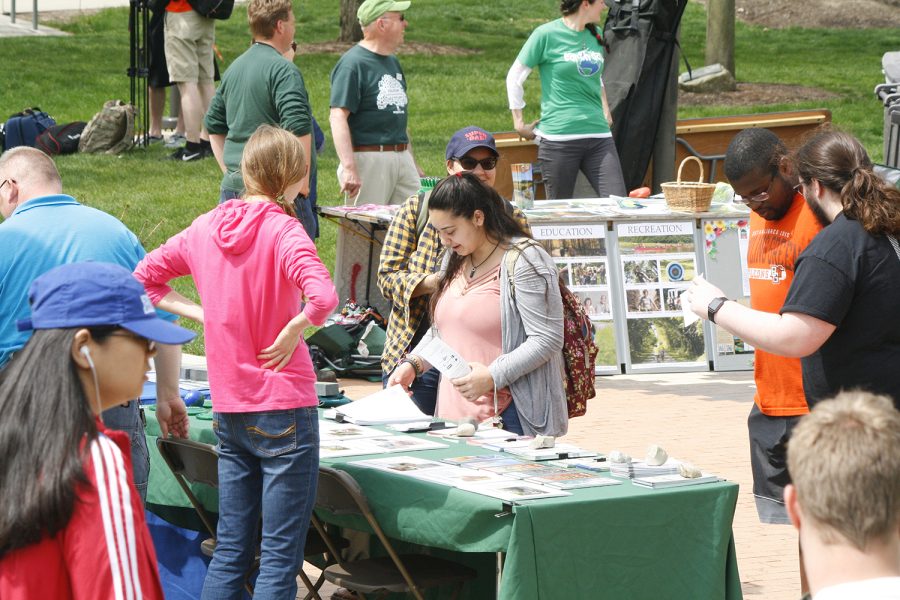
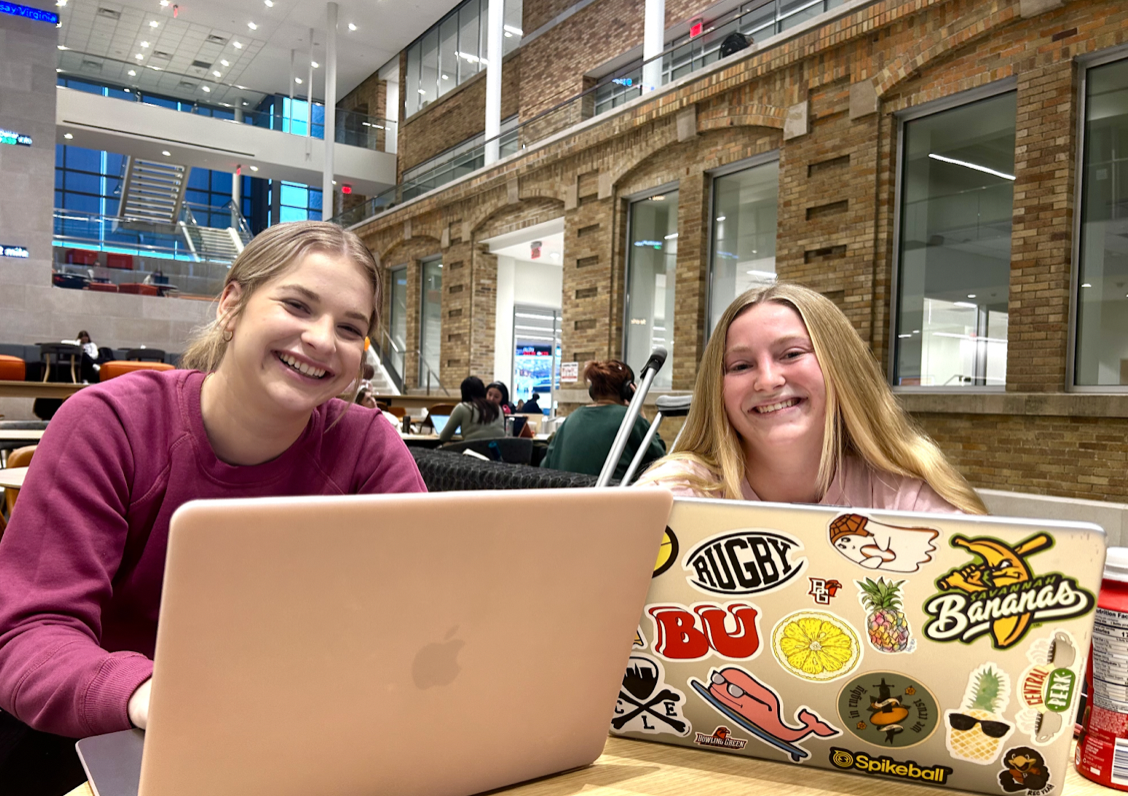
Still, TikTok users at Bowling Green State University have expressed concern and confusion moving forward.
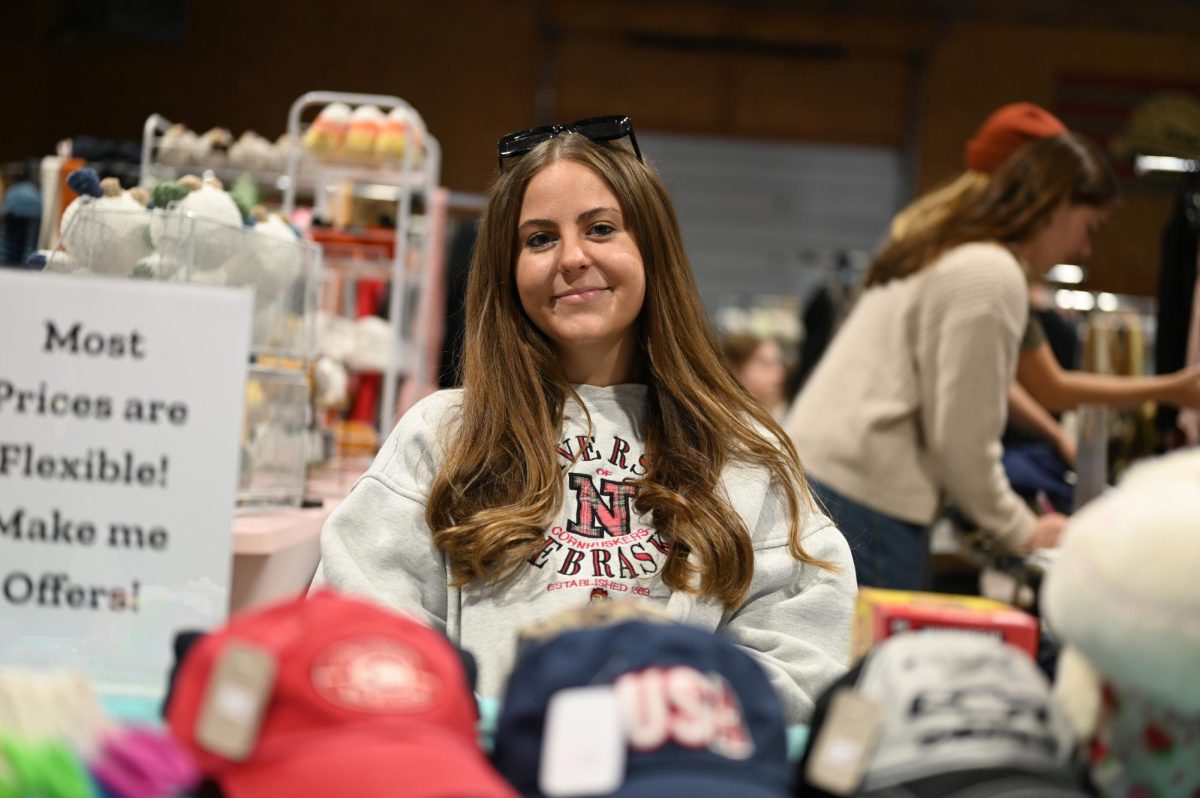
Lala Calhoun, a social work major, is an avid TikTok user, scrolling “probably five hours a day.”
The thought of TikTok’s parent company changing hands “definitely makes me scared,” Calhoun said. “I already know the algorithm is kind of wonky. I know TikTok was banned last year because of this whole situation too, so I’m just worried about the change. I have a feeling the government is going to be watching more and limiting what can be posted and what people can see.”
Ariana Perez, a second-year medical laboratory science major, uses TikTok “every single day on a consistent basis.” She did not know about the transfer of TikTok ownership but recalled the allegations that led to TikTok’s initial ban.
“It’s not good. The CEO wasn’t even Chinese. He was Singaporean. I’d rather him have my information than the U.S. The algorithm is probably going to show me more videos about the (U.S.) government, propaganda,” Perez said.
Abby Hover, a first-year pre-communication sciences and disorders student, voices doubts about the precedent these changes set.
“It’s worrisome how much we have to alter stuff to fit certain guidelines and specifications,” she said.
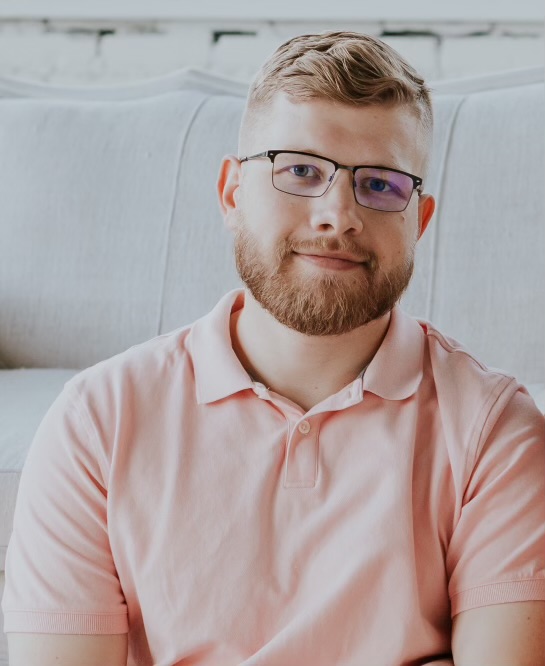
Jordan Reinhardt, a senior computer science student, offered his perspective despite not having the app.
“I have heard about the deal to move the majority of ownership to a group of U.S. investors…from what I understand, Oracle already is the company that controls and stores U.S. TikTok data, so not much will change from a privacy perspective,” Reinhardt said.
Whether or not TikTok users will experience a drastic change in the app’s algorithm is uncertain.