The National Collegiate Athletic Association (NCAA) has agreed to a counterproposal, changing the initial model of athletes’ eligibility rules.
The Division I Cabinet agreed to a model that begins a student-athlete’s five-year eligibility clock upon their initial, full-time university enrollment or at the beginning of the academic year that follows their 19th birthday (whichever occurs first).
The new system changes the beginning date of an athlete’s eligibility clock. The initial idea had an athlete’s five years of eligibility begin on the athlete’s expected high school graduation date, which would be no later than their 19th birthday.
The accepted counterproposal grants athletes the ability to join NCAA play one year later than the initial proposal without forfeiting a year of eligibility.
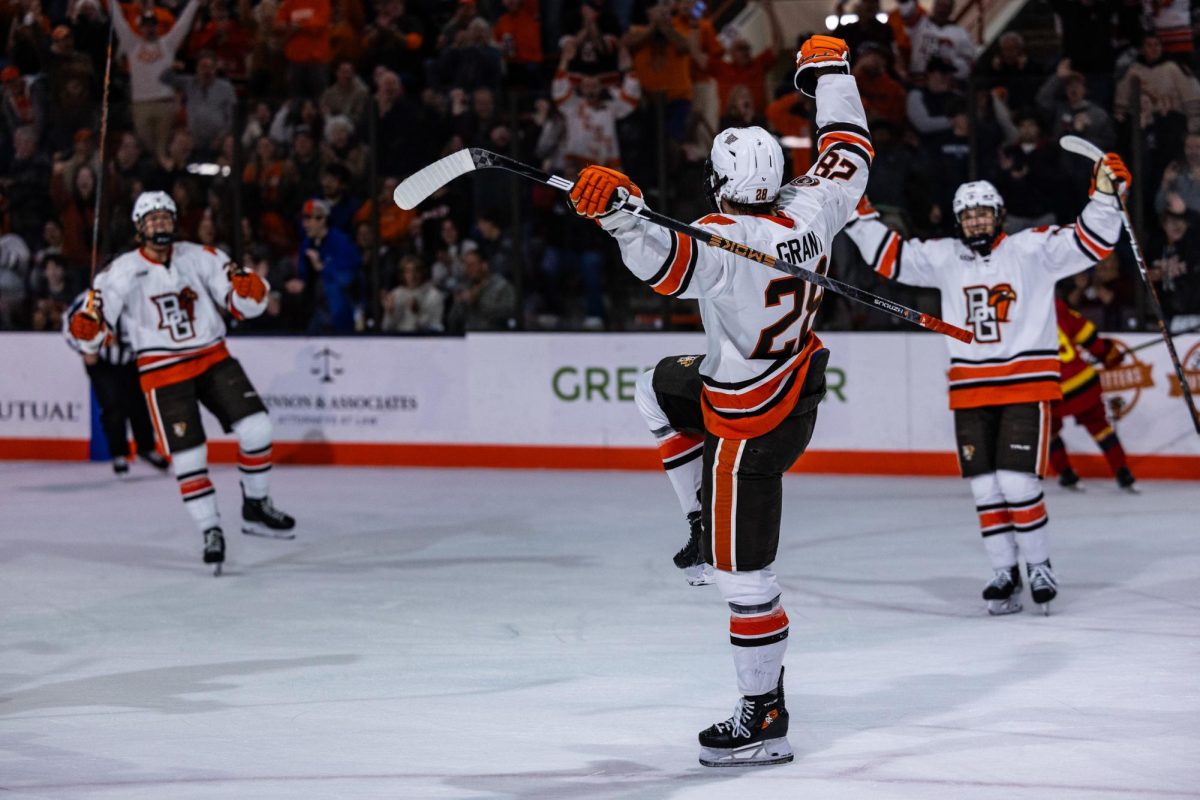
The change in eligibility format benefits college ice hockey, a community that presented the greatest protest against the NCAA’s original proposal.
College hockey officials previously put forth a counterproposal, but it was rejected May 27. The proposal had support from multiple parties, including the NHL, USA Hockey, and several junior leagues.
For college hockey’s athletes, the initial model would not have supported them playing in junior leagues, which typically features athletes playing until age 20.
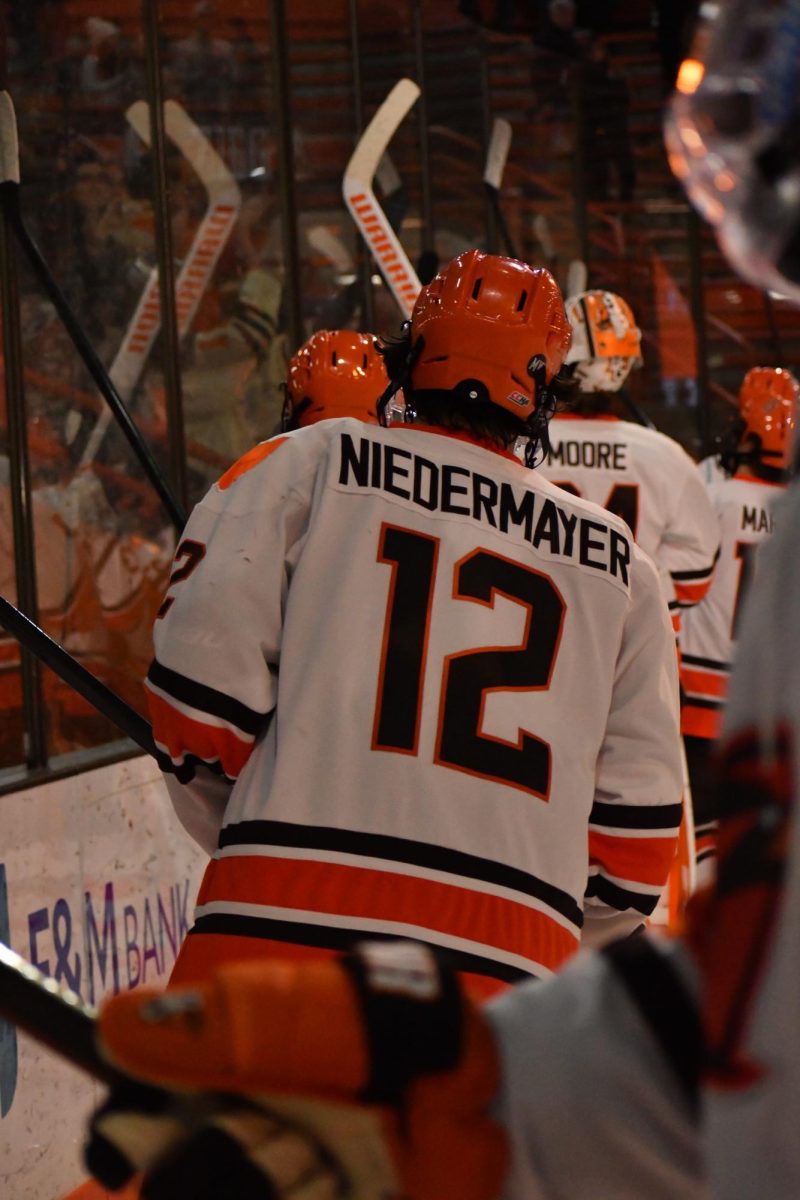
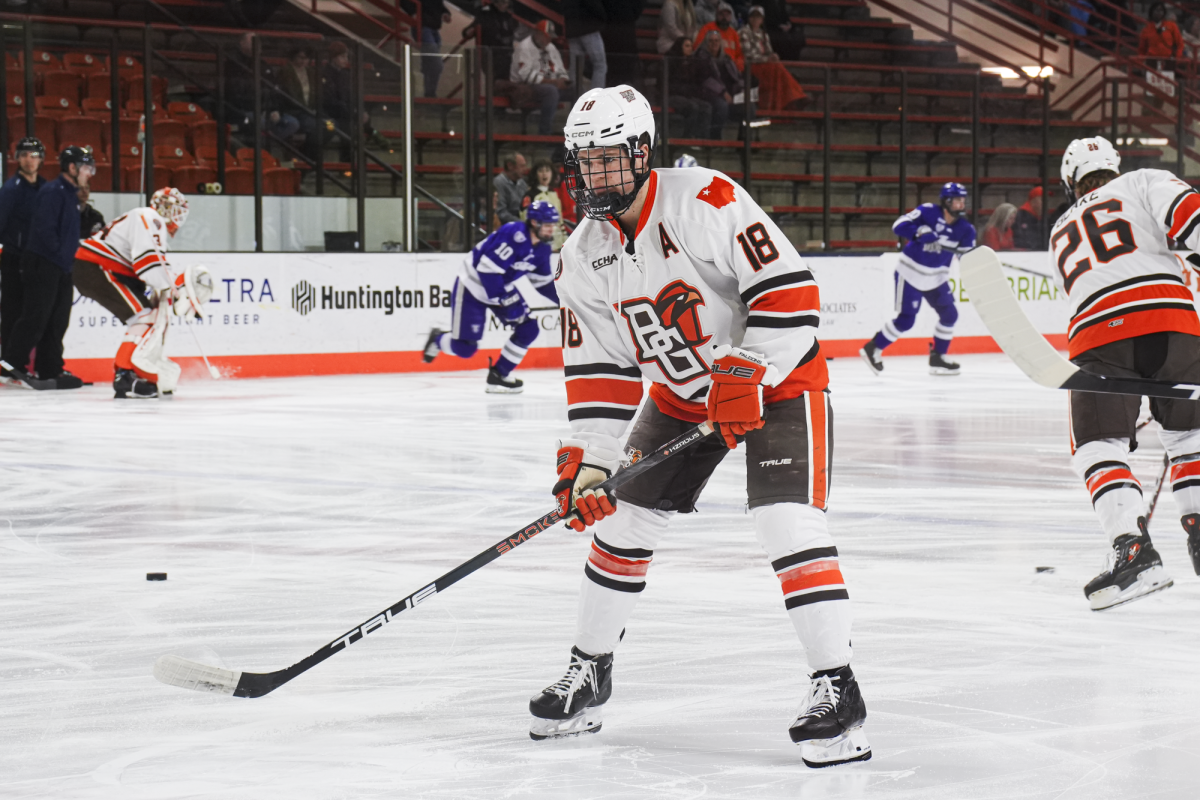
Of BG hockey’s incoming 2026 class, seven of the nine athletes are coming off junior league competition. Of the seven, six are 20 years old or older.
The NCAA Division I Cabinet will officially consider and vote upon the eligibility rules at its June 23-24 meeting.